
Overview
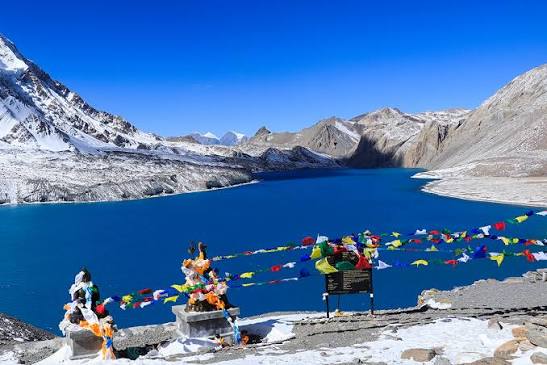
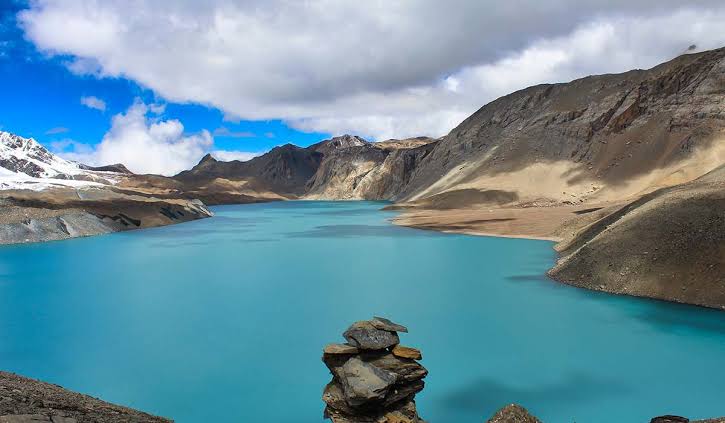
Tilicho Lake, at 4,919m, is claimed to be the highest lake in the world. It sits at the foot of a large glacier system fed by meltwater from the northern slopes of Annapurna and Thorung Peak, so the water carries that unmistakable glacial color, somewhere between turquoise and silver depending on the light. On a clear day, the surrounding snow peaks reflect directly in the lake’s still water, one of the standout sights in the Annapurna region and the kind of view that’s hard to fully capture in a photo.
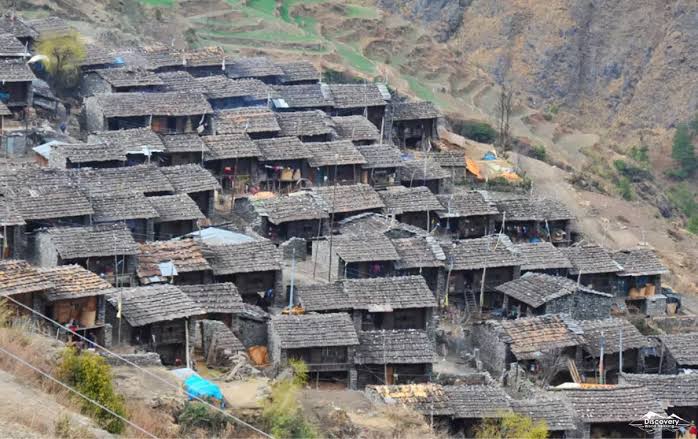
The trek begins in the fertile lowlands of the Marshyangdi Valley at Besisahar and continues up into the remote Manang region, following much of the same lower route as the standard Annapurna Circuit before it diverges. Rather than following the standard circuit route north to Tanki Manang and Yak Kharka, this trek branches west from Manang through a wide, open valley, passing Khangsar Village along the way, one of the last permanent settlements before the terrain turns properly remote.
After a night in Khangsar, the trail climbs over two days to Tilicho Base Camp (4,800m), gaining altitude steadily to help with acclimatization. From there, it’s a hike up to Tilicho Lake itself (4,919m), with time to take in the view before returning to base camp for a second night, since the lake sits at a demanding altitude and most trekkers don’t camp there overnight.
From Tilicho, the route descends to Yak Kharka and climbs back up to Thorung La Pass (5,416m), rejoining the main circuit trail at this point. From the pass, the trail drops down to Muktinath, a well-known pilgrimage site for both Hindu and Buddhist devotees, where pilgrims come to bathe in its sacred water taps.
A road now connects Muktinath to Jomsom, so that stretch can be dusty with vehicle traffic carrying pilgrims who choose to drive rather than walk. Flying from Jomsom to Pokhara, a 35-minute flight, is the better option for avoiding that dust and for saving a couple of extra trekking days on tired legs.
The trek also delivers strong views of the Annapurna massif throughout, not just at Tilicho itself, so the mountain scenery stays consistent even on the days between major highlights.
It’s one of the more biodiverse regions in Nepal for trekking, with a chance to spot species like the white-capped river chat, brown dipper, and white-breasted kingfisher, along with butterflies, barking deer, rhododendron forest, and wild orchids lower down the trail before the terrain turns more barren at altitude.
Permit details are available from the Annapurna Conservation Area Project.
For the standard circuit without the lake detour, see our Annapurna Circuit Trek and for the Muktinath leg on its own, see our Jomsom Muktinath Trek.
Highlights
- Tilicho Lake at 4,919m, one of the highest lakes in the world, ringed by glaciers and snow-covered peaks
- Full Annapurna panorama from the upper trail, including Annapurna II, III, and IV, Gangapurna, and Nilgiri Manang Valley, one of the finest acclimatization stops in the Himalayas
- Braga Monastery, one of the oldest and most atmospheric gompas in the Annapurna region
- A dramatic landscape shift from lush pine forest to a barren, lunar-like high alpine world above Khangsar
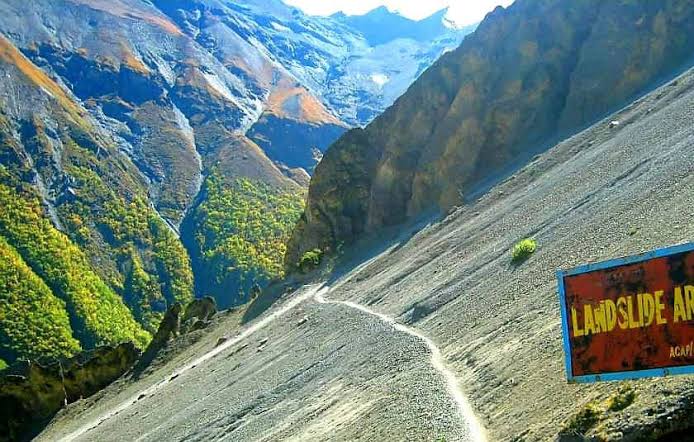
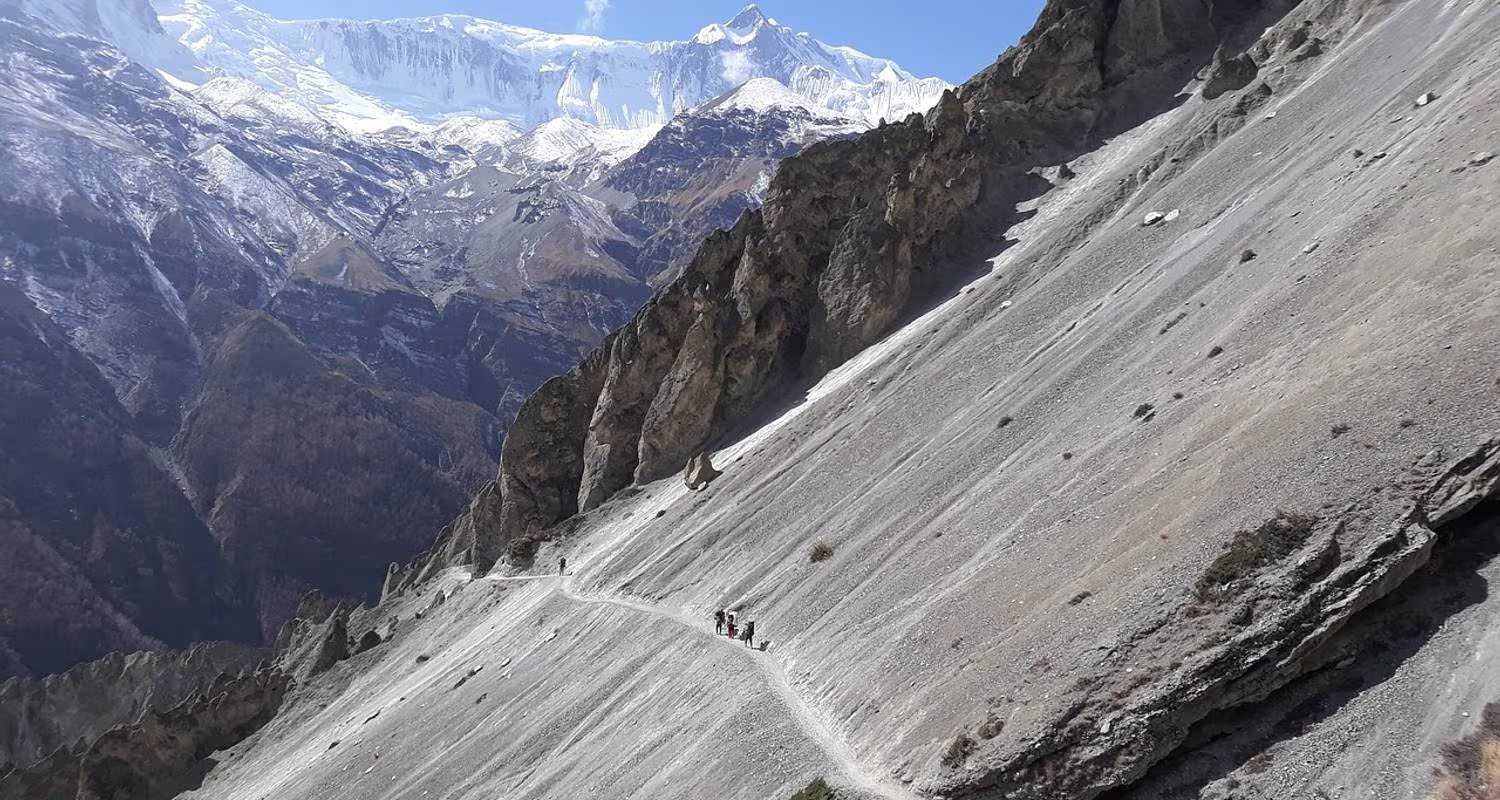
- The famous Landslide Section between Khangsar and Tilicho Base Camp