
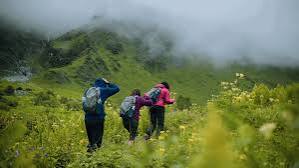
If you have already done a beginner trek and want more, or you simply have decent fitness and want a real challenge without the extreme risk of a high pass crossing, this list of the top 10 moderate treks in Nepal is where to start. Moderate treks sit in the middle ground. They ask more of your legs and lungs than short treks like Poon Hill, but they do not demand the technical skill or extreme altitude tolerance that treks like Everest Base Camp’s Kala Patthar push toward.
This guide covers ten of Nepal’s best moderate treks, what makes each one worth the extra effort, and how to prepare properly before you go.
Why Step Up to a Moderate Trek
If you have already completed a beginner route, a moderate trek is the natural next step, and it changes the experience in a few genuine ways.
Fewer crowds. Popular beginner routes like Poon Hill get busy in peak season. Moderate treks, even well known ones like Annapurna Base Camp, tend to feel less crowded once you are past the first day or two.
More dramatic scenery. Higher altitude generally means more open, alpine terrain, glacial features, and wider mountain panoramas than the forested lower elevations most beginner treks stay within.
A real sense of accomplishment. Completing a trek that climbs past 4,000 meters, with real elevation gain and a longer daily walking pace, is a genuinely different achievement than a shorter, gentler route.
Better preparation for bigger treks later. If Everest Base Camp or the Annapurna Circuit is on your list eventually, a moderate trek is a smart way to test how your body handles altitude and multi day walking before committing to a longer, higher trek.
What Counts as a Moderate Trek
Moderate treks generally share a few traits:
Altitude in the 3,500 to 5,000 meter range. High enough that altitude awareness matters, but usually without the sustained extreme cold and thin air of routes crossing 5,000 meters for days at a stretch.
Five to twelve days of walking. Long enough to feel like a real commitment, without stretching into the three week range of the biggest circuit treks.
Some technical terrain. Steeper climbs, longer daily walking hours, and occasionally rougher trail sections, though nothing that requires climbing gear or mountaineering skill.
Every trek on this list fits that description, which is why they consistently show up on lists of the top 10 moderate treks in Nepal.
Quick Comparison Table
| Trek | Duration | Max Altitude | Region |
| Mardi Himal | 5 to 6 days | 4,500 m | Annapurna |
| Khopra Ridge | 6 to 7 days | 4,660 m | Annapurna |
| Annapurna Base Camp | 7 to 9 days | 4,130 m | Annapurna |
| Langtang Valley | 7 to 8 days | 3,870 m | Langtang |
| Everest View Trek | 6 to 7 days | 3,880 m | Everest |
| Gokyo Lakes | 10 to 12 days | 5,357 m | Everest |
| Pikey Peak | 5 days | 4,065 m | Everest (lower) |
| Tsum Valley | 8 to 10 days | 3,700 m | Manaslu |
| Helambu Circuit | 6 to 7 days | 3,650 m | Langtang |
| Ruby Valley | 8 to 9 days | 3,600 m | Langtang |
1. Mardi Himal Trek
Mardi Himal climbs to a ridge with Machhapuchhre close enough to feel within reach. The trail moves from forest into open alpine terrain, and the final push to the viewpoint at 4,500 meters is a proper early morning climb in thin air. Quieter than most Annapurna routes, which makes it a favorite for trekkers who have outgrown Poon Hill. Check dates and pricing for our Mardi Himal trek.
2. Khopra Ridge Trek
Khopra pushes further than Mardi Himal and rewards you with one of the widest Annapurna and Dhaulagiri panoramas in the region, minus the crowds. A side trip to Khayer Lake adds an extra day for those who want it. Fewer teahouses along this route means simpler food, but also a genuinely quiet trail. View the Khopra Ridge trek itinerary.
3. Annapurna Base Camp Trek
ABC is the classic moderate trek in Nepal, climbing gradually through subtropical forest and terraced farmland into the dramatic Annapurna Sanctuary. At 4,130 meters, it stays below the more extreme altitude range while still delivering a full high mountain experience. See our Annapurna Base Camp trek itinerary.
4. Langtang Valley Trek
The closest major trekking region to Kathmandu, reachable by road with no flight required. Langtang combines Tamang village culture with genuine mountain scenery, and the trek to Kyanjin Ri adds a solid altitude challenge without pushing into extreme territory. See the Langtang Valley trek itinerary.
5. Everest View Trek
For trekkers who want the Everest region without the length or altitude of Base Camp itself, this route flies into Lukla and walks to Namche Bazaar and Tengboche, with genuine views of Everest, Lhotse, and Ama Dablam under 4,000 meters. Check dates for our Everest View trek.
6. Gokyo Lakes Trek
Gokyo sits at the higher end of moderate, climbing past 5,000 meters to Gokyo Ri for one of the best panoramic views in the Everest region, including four of the world’s six highest peaks from a single point. The turquoise glacial lakes along the way are a genuine highlight most Everest Base Camp trekkers never see. This is a strong pick for trekkers who want an Everest region trek with more variety than a straight walk to Base Camp.
7. Pikey Peak Trek
Often called the view Edmund Hillary loved, Pikey Peak delivers Everest, Makalu, and Kanchenjunga in one sweep, without a flight to Lukla required. The drive in from Kathmandu keeps logistics simple, and the trek stays firmly in moderate territory at just over 4,000 meters. A good choice if you want that classic Everest region skyline on a shorter timeline.
8. Tsum Valley Trek
A restricted area trek that sees far fewer visitors than Annapurna or Everest, Tsum Valley combines Tibetan Buddhist culture with genuinely remote mountain scenery. Ancient monasteries, mani walls, and a slower pace of village life set this trek apart from the more well trodden routes on this list. Worth planning ahead for, since restricted area permits need extra lead time.
9. Helambu Circuit Trek
A lesser known alternative near Langtang, Helambu combines Sherpa and Tamang villages with rhododendron forest and solid ridge walking. It stays under 3,700 meters throughout, making it a good middle step between beginner routes and the higher moderate treks on this list.
10. Ruby Valley Trek
One of Nepal’s newer trekking routes, Ruby Valley links traditional villages across the Ganesh Himal region with a trail that sees very little foot traffic compared to the established circuits. A strong pick if you want a moderate physical challenge alongside a genuinely off the beaten path experience.
How to Prepare for a Moderate Trek
Moderate treks ask more of you than beginner routes, so preparation matters more too.
Build real endurance, not just general fitness. Regular hikes of four to six hours, ideally with some elevation gain, are better preparation than short gym sessions.
Train with a loaded daypack. Even with a porter carrying your main bag, your daypack still adds real weight over a long day of walking.
Take altitude seriously above 3,500 meters. Walk at a steady pace, stay hydrated, and follow your itinerary’s acclimatization days rather than rushing ahead.
Confirm your guide and permits. Since 2023, Nepal Tourism Board rules require all foreign trekkers to hire a licensed guide through a registered agency, and moderate treks in restricted areas like Tsum Valley need additional permits arranged well in advance.
Which Moderate Trek Should You Choose
Want the most classic experience? Annapurna Base Camp delivers scale and drama in a well established, comfortable format.
Want quiet trails? Khopra Ridge and Ruby Valley see far fewer trekkers than the popular routes.
Want Everest region views without the full Base Camp commitment? Everest View Trek or Pikey Peak both deliver on that without the extra week.
Want something culturally distinct? Tsum Valley and Helambu both offer a different flavor than the well known circuits.
What to Expect Physically on a Moderate Trek
Moderate treks differ from beginner routes in a few concrete ways worth knowing before you commit.
Longer daily walking hours. Where beginner treks often run four to six hours a day, moderate treks regularly stretch to six or seven, with some days pushing longer around a major viewpoint or pass.
Real elevation gain and loss. Days with 800 to 1,000 meters of climbing are common on routes like Khopra Ridge or Gokyo Lakes, which puts more strain on your legs than the gentler grades found on beginner trails.
Colder nights at altitude. Above 3,500 meters, teahouses are not heated overnight, and temperatures regularly drop below freezing. A sleeping bag rated for at least minus 10 to minus 15 degrees Celsius is worth carrying on most of these routes.
Simpler food options the higher you go. Menus shrink as you climb, since supplies have to be carried in by porter or yak. Expect fewer choices at higher elevation teahouses than you would find lower down or on beginner routes.
A genuine test of pacing. Unlike beginner treks, where a strong walker can push ahead without much consequence, moderate treks reward a steady, even pace far more than a fast one, particularly once you are above 4,000 meters.
Frequently Asked Questions (FAQs)
1. What makes a trek moderate rather than easy or difficult?
Moderate treks typically reach 3,500 to 5,000 meters, run five to twelve days, and involve steeper or longer daily walking sections than beginner routes, without requiring technical climbing skills.
2. Which is the best moderate trek in Nepal for first timers stepping up from a beginner route?
Mardi Himal or Annapurna Base Camp are common next steps after a beginner trek like Poon Hill, since both stay within a well established teahouse trail system.
3. Do moderate treks in Nepal require a guide?
Yes, All foreign trekkers in Nepal are required to hire a licensed guide through a registered agency, regardless of trek difficulty.
4. Is altitude sickness a real risk on moderate treks?
Yes, particularly on routes that climb above 4,000 meters, such as Khopra Ridge, Mardi Himal, or Gokyo Lakes. Pacing and proper acclimatization matter on these routes more than on lower beginner treks.
5. How long should I train before a moderate trek in Nepal?
Eight to twelve weeks of consistent cardio and strength training is a reasonable minimum, with longer preparation recommended if you are starting from a mostly sedentary routine.
Conclusion
The top 10 moderate treks in Nepal cover a wide range of scenery, culture, and altitude, giving you plenty of room to pick one that matches your fitness and interests. Not sure which moderate trek fits you best? Get in touch with Nepal Charity Treks and we will help you find the right route.