
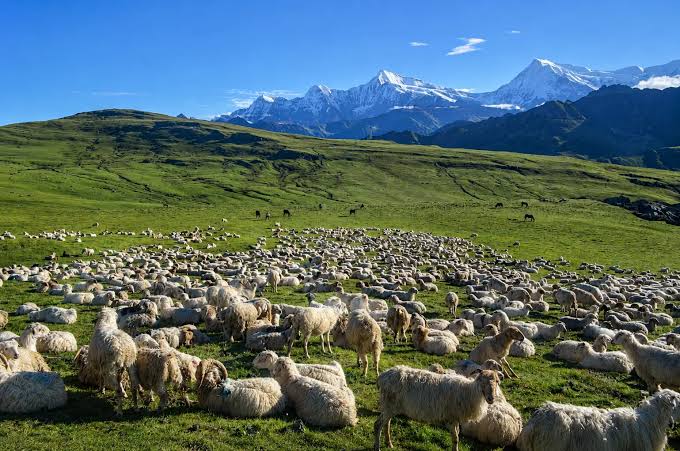
If you are searching for Nepal treks for beginners, you probably already know the Himalayas are calling, but you are not sure if your fitness level or experience is enough to answer that call. The good news is that Nepal has a solid list of beginner treks that ask a lot less of you than Everest Base Camp or the Annapurna Circuit, while still giving you real mountain views, real teahouse culture, and a genuine taste of trekking life.
This guide covers the easiest Nepal treks for beginners, what to expect from each one, and exactly how to prepare so your first trek goes smoothly instead of turning into a lesson learned the hard way.
What Makes a Trek Beginner Friendly
Not every short trek in Nepal is automatically easy. A trek qualifies as beginner friendly when it meets a few conditions:
Lower altitude: Staying below 3,500 meters keeps altitude sickness risk low, since that is where most people start to feel the thinner air.
Well established trails: Frequent teahouses, clear paths, and steady foot traffic mean you are never far from help or a hot meal.
Shorter duration: Four to seven days is enough to test whether trekking suits you, without demanding weeks of vacation time.
Gentle daily walking hours: Beginner routes typically involve four to six hours of walking a day, not the eight or nine hour days found on more demanding treks.
Every trek on this list meets all four conditions, which is exactly why they show up again and again on lists of Nepal treks for beginners.
Quick Comparison Table
| Trek | Duration | Max Altitude | Daily Walking | Region |
| Poon Hill | 4 to 5 days | 3,210 m | 4 to 6 hours | Annapurna |
| Chisapani to Nagarkot | 2 to 3 days | 2,610 m | 3 to 5 hours | Kathmandu Valley |
| Ghandruk | 3 to 5 days | 2,012 m | 4 to 5 hours | Annapurna |
| Dhampus Australian Camp | 2 to 3 days | 2,145 m | 3 to 4 hours | Annapurna |
| Langtang Valley (short) | 5 days | 3,870 m | 5 to 6 hours | Langtang |
Poon Hill (Ghorepani Poon Hill Trek)
Duration: 4 to 5 days
Max altitude: 3,210 m
Region: Annapurna
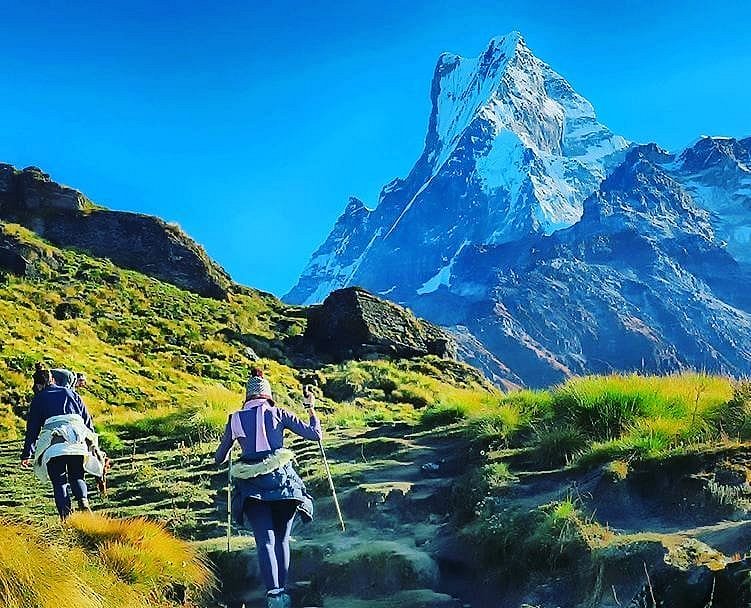
Poon Hill is the single most recommended trek for beginners in Nepal, and it earns that reputation honestly. The trail runs through rhododendron forest and stone step villages, with teahouses spaced closely enough that you never walk more than a couple of hours without a rest stop or a meal option.
The reward is the Poon Hill sunrise viewpoint, where Dhaulagiri, Annapurna South, and Machhapuchhre appear in one sweeping view. The early morning climb to the viewpoint is short and manageable, even for someone who has never done a multi day hike before.
This is the trek most operators point to first when someone asks about Nepal treks for beginners, and it deserves that spot. See our full Poon Hill trek itinerary for a detailed breakdown.
Chisapani to Nagarkot Trek
Duration: 2 to 3 days
Max altitude: 2,610 m
Region: Kathmandu Valley
This is about as gentle as trekking in Nepal gets. The trail sits just outside the Kathmandu Valley, with no serious altitude to worry about and no need for specialized gear. It is a good option if you are jet lagged after arriving in Nepal and want an easy introduction before something harder, or if you simply do not have more than a weekend to spare.
Sunrise over the Himalayan range from Nagarkot is the highlight, and the whole trek can be done comfortably by almost anyone with basic fitness. View the Chisapani to Nagarkot trek itinerary.
Ghandruk Trek
Duration: 3 to 5 days
Max altitude: 2,012 m
Region: Annapurna
Ghandruk is a Gurung village trek that stays well below altitude sickness territory while still delivering close up views of Annapurna South and Machhapuchhre. The trail includes plenty of stone steps and a few solid climbs, but nothing that requires prior trekking experience.
What sets Ghandruk apart for beginners is the cultural depth. You spend real time in a working Gurung village, not just passing through, which makes this a good pick if you want your first trek to feel like more than just a walk with a view. Check dates and pricing for our Ghandruk trek.
Dhampus and Australian Camp Trek
Duration: 2 to 3 days
Max altitude: 2,145 m
Region: Annapurna
This is often the very first trek people in Nepal attempt, and for good reason. Australian Camp sits at a modest altitude with a wide open viewpoint of the Annapurna and Dhaulagiri ranges, reached after a walk that most reasonably fit people manage without much strain.
It works well as a short weekend trip from Pokhara, and it is also a smart way to test your gear and your body before committing to a longer beginner trek like Poon Hill. Explore the Dhampus Australian Camp trek itinerary.
Langtang Valley Trek (Short Version)
Duration: 5 days
Max altitude: 3,870 m
Region: Langtang
Langtang sits at the upper edge of what counts as a beginner trek, since it climbs higher than the other routes on this list. Still, the trail is well maintained, the daily walking hours stay reasonable, and the drive from Kathmandu means no flight delays to worry about.
You get Tamang villages, prayer flags, yak pasture, and close views of Langtang Lirung, all within a five day window. If you already feel confident after Poon Hill or Ghandruk and want a slightly bigger challenge, Langtang is the natural next step. See the Langtang Valley trek itinerary.
How to Prepare for Your First Trek in Nepal
Choosing the right route is half the job. The other half is showing up ready.
Build basic walking fitness: You do not need to be an athlete, but you should be comfortable walking four to six hours on uneven ground. Start with regular walks or hikes a few weeks before your trip, and gradually increase the distance.
Break in your boots early: New boots on day one of a trek is a common mistake that leads to blisters within the first few hours. Wear your trekking boots on every training walk so your feet and the boots adjust together.
Pack in layers: Mornings and evenings in the hills get cold even at lower altitude, while midday sun can be surprisingly strong. A base layer, an insulating layer, and a waterproof outer shell cover most conditions you will face on a beginner trek.
Understand the guide requirement: Since 2023, Nepal Tourism Board rules require all foreign trekkers to hire a licensed guide through a registered trekking agency. This is not optional, even on well-marked beginner routes like Poon Hill or Chisapani to Nagarkot. The upside is real. A guide handles logistics, local knowledge, and safety, which takes a lot of pressure off a first-time trekker.
Sort your permits ahead of time: Beginner treks in the Annapurna region need the ACAP permit, while Langtang needs its own national park permit. See our trekking permit Nepal guide for the full breakdown. Your trekking agency typically arranges these as part of booking, so this step mostly means confirming it is included in your package.
Pace yourself, even on easy trails: Altitude sickness risk is lower on beginner treks, but it is not zero above 3,000 meters. Walk at a comfortable pace, drink plenty of water, and tell your guide if you notice a headache or unusual fatigue.
Travel with basic insurance: Even on shorter, lower altitude treks, a policy that covers trekking and emergency evacuation is worth having. It is a small cost against a real safety net.
Choosing the Right Beginner Trek for You
Short on time or newly arrived in Nepal? Chisapani to Nagarkot or Dhampus Australian Camp fit into a weekend and ease you in gently.
Want the classic first trek experience? Poon Hill is the well trodden path for a reason, and it delivers genuinely excellent sunrise views for the effort involved.
Want more village life alongside the mountains? Ghandruk gives you both in a manageable package.
Feeling confident and want a slightly bigger challenge? Langtang Valley steps things up while still staying friendly to a first time trekker.
What a Typical Beginner Trek Day Looks Like
If you have never trekked before, it helps to know roughly what a day actually involves. Most beginner treks in Nepal follow a similar rhythm.
Early start. Breakfast at the teahouse is usually around 7 a.m., since mornings offer the clearest skies before afternoon clouds roll in.
Steady walking, with breaks. You walk for two to three hours, stop for tea or a snack, then continue for another two to three hours before reaching your next teahouse. Guides set a pace that suits the group, not a race pace.
Lunch on the trail. Most operators build in a proper lunch stop at a teahouse along the route, typically dal bhat, noodles, or a simple set meal.
Afternoon arrival. You usually reach your overnight stop by early to mid afternoon, leaving time to rest, explore the village, or simply enjoy the view before dinner.
Early nights. Teahouses do not have much nightlife, and an early start the next morning means most trekkers are in bed by 8 or 9 p.m.
Knowing this rhythm ahead of time removes a lot of the uncertainty that makes a first trek feel intimidating. It is a simple, repeatable routine, not an unpredictable ordeal.
Frequently Asked Questions (FAQs)
1. What is the easiest trek for beginners in Nepal?
Chisapani to Nagarkot and Dhampus Australian Camp are generally considered the easiest, since both stay below 2,700 meters and can be completed in two to three days.
2. Do I need previous hiking experience for Nepal treks for beginners?
No, Routes like Poon Hill, Ghandruk, and Chisapani to Nagarkot are designed to be manageable for people with no prior multi day trekking experience, as long as you have reasonable general fitness.
3. Do beginners need a guide in Nepal?
Yes, Since April 2023, all foreign trekkers in Nepal are required to hire a licensed guide through a registered trekking agency, regardless of trek difficulty.
4. How many days should a beginner trek in Nepal last?
Most beginner treks run two to five days. This is enough to get a genuine mountain experience without overcommitting your first trip.
5. Is altitude sickness a concern on beginner treks?
The risk is lower on beginner routes since most stay under 3,500 meters, but it is not zero. Walking at a steady pace and staying hydrated matters even on easier trails.
6. What should a first time trekker pack for Nepal?
Broken in trekking boots, layered clothing, a basic first aid kit, a water bottle with purification tablets or a filter, and sun protection cover most beginner trek conditions.
Conclusion
Nepal treks for beginners do not need to be intimidating. Routes like Poon Hill, Ghandruk, and Chisapani to Nagarkot give you real mountain views and real trekking culture without the demands of Everest Base Camp or the Annapurna Circuit. Not sure which beginner trek fits your fitness level and dates? Get in touch with Nepal Charity Treks and we will match you to the right first trek.