

Overview
Mardi Himal is one of the less-visited trekking routes in Nepal, known for delivering exceptional mountain views without the crowds found on nearby trails. The route passes through forests and villages that tourism hasn’t reshaped yet, which is increasingly rare in a country where trails like Annapurna Base Camp and Poon Hill see a steady stream of trekkers most of the year. Walking through Mardi Himal still feels like discovering something, rather than following a well-worn tourist circuit.
It also works as an alternative to the Annapurna Base Camp trek, covering different terrain in the same broader region but staying well clear of the busier trail. Where Annapurna Base Camp draws big numbers heading into the Sanctuary, Mardi Himal branches off on its own ridge system, so trekkers get a genuinely quieter experience even during peak season.
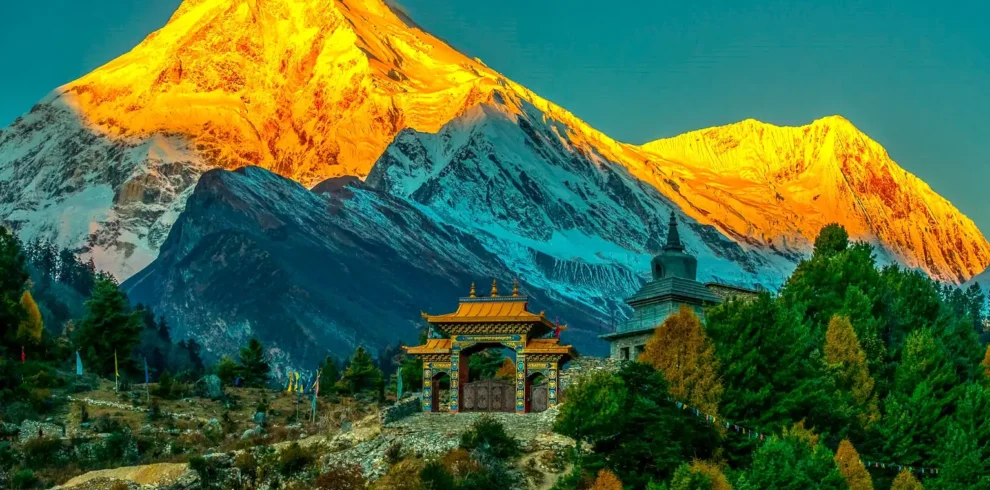
The standout feature of this route is its close-up view of Machhapuchhre, or Fishtail (6,997m), a mountain that’s off-limits to climbers and holds a kind of mystique because of it. That unclimbed status, combined with the dramatic shape of the peak, has helped make this route increasingly popular with younger Nepali trekkers and students in recent years, many of whom treat it as an accessible weekend-scale adventure.
The trail remains largely untouched, giving trekkers uncrowded views of the snow-capped Himalayan range for long stretches without another group in sight. Along with Annapurna and Fishtail, the route passes through mountain landscapes and natural hot springs, so it isn’t just about the summit views, there’s variety in the terrain itself as the trail climbs.
Mardi Himal is graded as a medium-level trek, sitting below the more demanding routes in terms of both altitude and distance, which makes it approachable for trekkers without extensive high-altitude experience.
Improved teahouse facilities along the route in recent years have also cut down on the need for camping-style trekking, which this route once required when it was a newer, less-developed trail. That shift has made it considerably more accessible for independent and first-time trekkers alike.
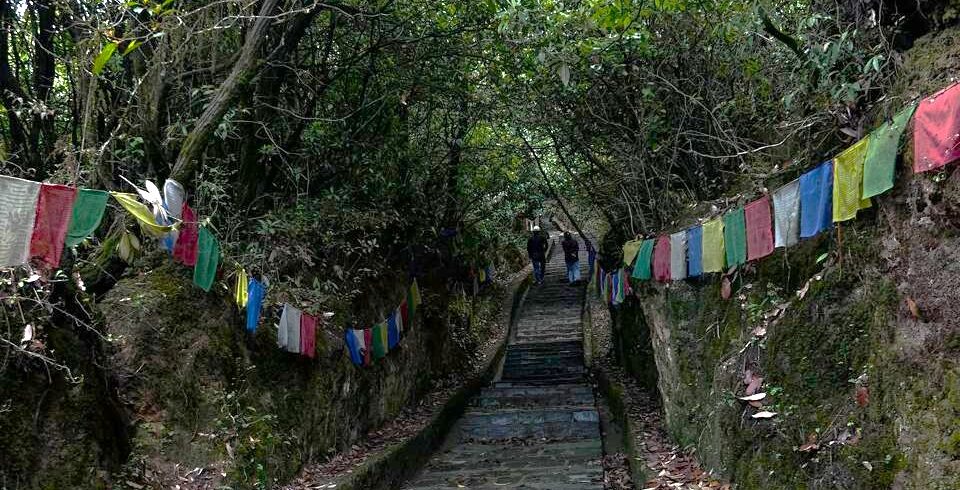
Highlights of the trek include mixed indigenous communities living along the lower trail, dense rhododendron forest that turns the hillsides red and pink in spring, old caves tucked into the terrain, waterfalls fed by mountain runoff, and strong biodiversity throughout the route.
The ridgelines themselves are steep-sided and thickly forested with rhododendron and bamboo lower down, opening out into high alpine pastures higher up that serve as grazing ground for livestock and a quiet habitat for wildlife in the Mardi Himal zone. Mardi Himal itself (5,587m) is also a recognized climbing peak, giving more experienced trekkers and climbers a further objective beyond the standard base camp and viewpoint trek.
Permits for this trek are issued through the Annapurna Conservation Area Project (ACAP), which manages conservation and tourism across the region.
If you have a few extra days, consider extending your trip with our Annapurna Base Camp Trek.
For another short, accessible trek near Pokhara, see our Ghorepani Poon Hill Trek.
Highlights
- No internal flights required
- Spectacular views of Fishtail and Annapurna
- Dense rhododendron forest
- A wide range of flora and fauna along the trail
- Waterfalls and old caves en route
- Mixed indigenous communities
- Countryside, terraced farmland, and mountain landscapes